What are Urological Cancers?
Expert Urological Cancer Treatment in Delhi Gurgaon
Urological cancers affect the organs of the urinary tract and the male reproductive system, including the kidneys, bladder, prostate, ureters, adrenal glands, penis, and testicles. Early diagnosis and timely surgical treatment play a vital role in improving survival, preserving organ function, and enhancing quality of life.
Dr. Tapan Singh Chauhan, an experienced Surgical Oncologist in Delhi Gurgaon, provides comprehensive evaluation and surgical management for patients with urological cancers. Using advanced surgical techniques and a multidisciplinary approach, every treatment plan is tailored to the patient's diagnosis, cancer stage, and overall health.
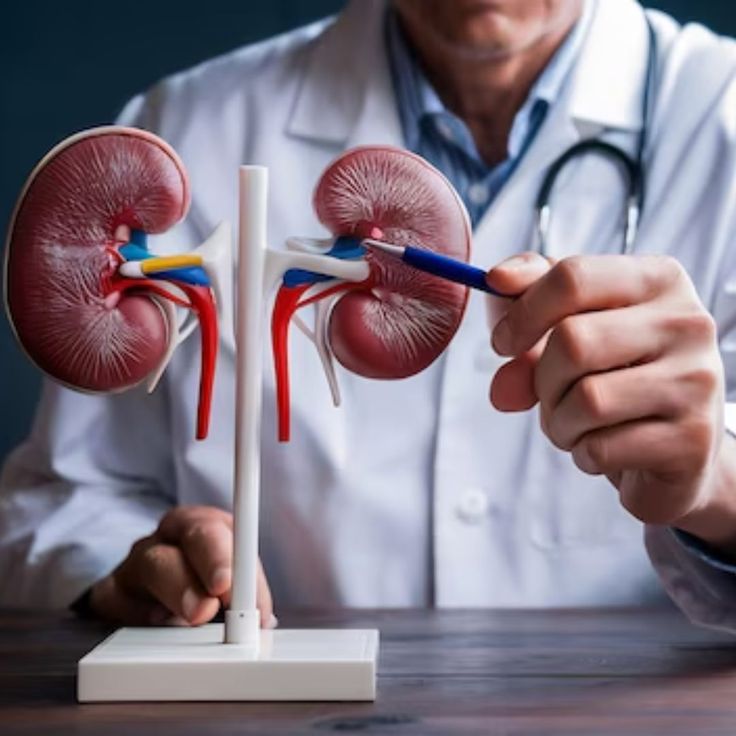
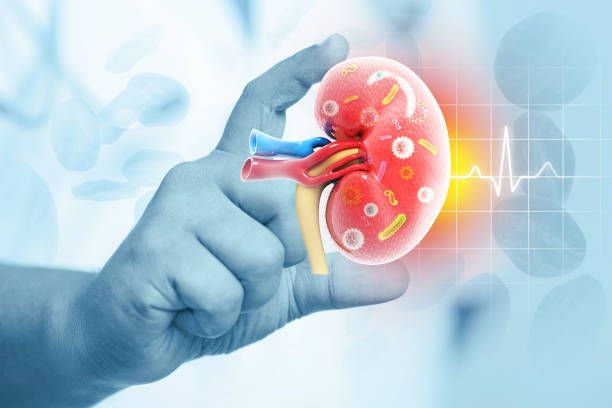
Types of Urological Cancers Treated
Comprehensive Surgical Care for Urological Malignancies
Dr. Tapan Singh Chauhan offers advanced surgical treatment for a wide range of urological cancers affecting the kidneys, urinary tract, bladder, prostate, testes, penis, and retroperitoneum. Each treatment plan is personalized using evidence-based surgical techniques, minimally invasive approaches whenever appropriate, and multidisciplinary cancer care to achieve the best oncological and functional outcomes.
Kidney & Urinary Tract Cancers
Kidney Cancer (Renal Cell Carcinoma)
Renal Pelvis Cancer
Ureteric Cancer
Bladder Cancer
Adrenal Tumors (Selected Cases)
Male Genitourinary Cancers
Prostate Cancer
Testicular Cancer
Penile Cancer
Retroperitoneal Tumors
Recurrent Urological Malignancies
Symptoms That Should Not Be Ignored
Early Warning Signs of Urological Cancers
Early diagnosis significantly improves the chances of successful treatment for urological cancers. If you experience any of the following symptoms, consult an experienced Cancer Specialist in Delhi Gurgaon for a detailed evaluation, accurate diagnosis, and timely treatment.
Blood in Urine (Hematuria)
Visible or microscopic blood in the urine should never be ignored and requires immediate medical evaluation.
Difficulty or Pain While Passing Urine
Pain, burning sensation, or difficulty during urination may indicate an underlying urinary tract or prostate condition.
Frequent Urination
Frequent daytime or nighttime urination may be a symptom of bladder or prostate cancer.
Weak Urine Stream
A weak or interrupted urine flow may indicate prostate enlargement or prostate cancer.
Persistent Lower Back or Flank Pain
Ongoing pain in the lower back or side of the abdomen may be associated with kidney cancer.
Pelvic Pain
Persistent pelvic discomfort or pain should be evaluated, especially when associated with urinary symptoms.
Lump in the Testicle
A painless lump, swelling, or enlargement of a testicle requires prompt assessment by a specialist.
Swelling of the Scrotum
Persistent swelling, heaviness, or discomfort in the scrotum should not be ignored.
Non-Healing Penile Lesion
A persistent sore, ulcer, or growth on the penis should be evaluated without delay.
Unexplained Weight Loss
Unexpected weight loss without any known cause may be an early warning sign of cancer.
Persistent Fatigue
Constant tiredness or weakness that does not improve with rest should be medically evaluated.
Diagnostic Evaluation
Comprehensive Diagnosis for Urological Cancers
Accurate diagnosis is the foundation of successful urological cancer treatment. Dr. Tapan Singh Chauhan performs a comprehensive diagnostic evaluation using advanced imaging, laboratory investigations, endoscopic procedures, and biopsy techniques to determine the type, stage, and extent of the disease before creating an individualized treatment plan.
Clinical Examination
A detailed medical history and physical examination to evaluate symptoms, risk factors, and overall health.
Ultrasound
Initial imaging to assess the kidneys, bladder, prostate, testes, and other urinary tract structures.
CT Scan
Detailed cross-sectional imaging to evaluate tumor size, location, and possible spread.
MRI Scan
High-resolution imaging for accurate assessment of prostate, kidney, bladder, and surrounding tissues.
PET-CT Scan
Advanced imaging used for staging, detecting metastasis, recurrence, and monitoring treatment response.
Urine Cytology
Microscopic examination of urine samples to detect abnormal or cancerous cells, particularly in bladder cancer.
Blood Tests
Routine laboratory investigations to assess kidney function, overall health, and treatment planning.
PSA Test (For Prostate Cancer)
Measurement of Prostate-Specific Antigen (PSA) levels to help detect and monitor prostate cancer.
Cystoscopy
An endoscopic procedure that allows direct visualization of the bladder and urethra to identify abnormalities.
Biopsy
Tissue sampling performed to confirm the diagnosis and determine the exact type of urological cancer.
Histopathological Examination
Detailed microscopic examination of biopsy tissue to establish the diagnosis, grade, and stage of the tumor.
Recovery After Surgery
Comprehensive Postoperative Care for Urological Cancer Patients
Recovery after urological cancer surgery varies depending on the type of procedure, the stage of cancer, and the patient's overall health. Dr. Tapan Singh Chauhan provides personalized postoperative care focused on faster recovery, improved quality of life, and long-term cancer surveillance.
Individualized Postoperative Care
Personalized recovery plans tailored to the type of surgery, overall health, and specific patient needs.
Pain Management
Comprehensive pain control strategies to ensure comfort and promote a smooth recovery.
Nutritional Guidance
Dietary recommendations to support healing, strengthen immunity, and improve overall recovery.
Early Mobilization
Encouraging safe movement and physical activity to reduce complications and speed up recovery.
Regular Follow-up
Scheduled follow-up consultations to monitor healing, assess recovery, and address any concerns promptly.
Long-Term Surveillance for Cancer Recurrence
Ongoing monitoring through clinical evaluation and imaging to detect recurrence early and ensure long-term health.
Frequently Asked Questions
Find answers to common questions about urological cancers, symptoms, diagnosis, surgery, robotic treatment, and follow-up care.