Lung cancer remains a significant global health concern, claiming numerous
lives each year. In this comprehensive exploration, we delve into the
multifaceted world of lung cancer, accompanied by expert insights from Dr.
Tapan Chauhan, a distinguished Senior Consultant in Surgical Oncology and
Robotic Surgery.
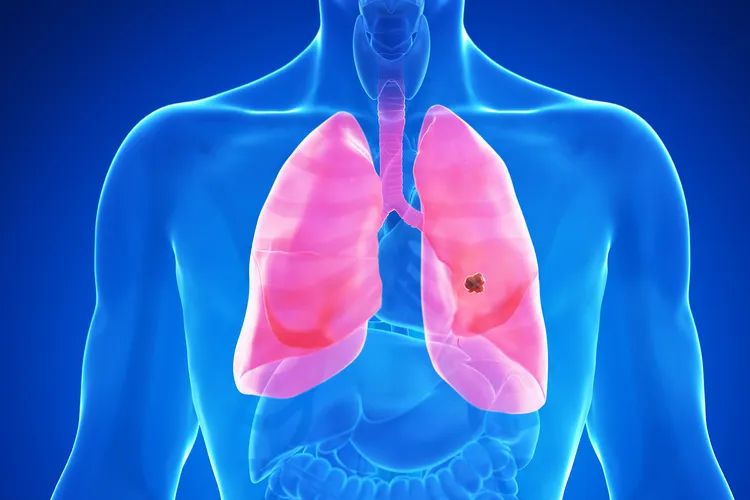
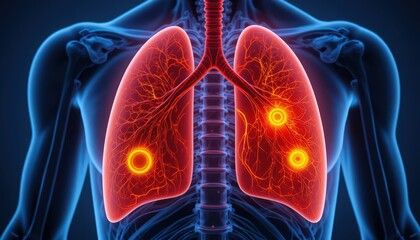
Overview of Lung Cancer
Lung cancer, a malignant growth in the lungs, can be broadly categorized into
two types: non-small cell lung cancer (NSCLC) and small cell lung cancer (SCLC).
Dr. Tapan Chauhan provides a detailed overview of the prevalence, risk factors,
and the importance of early detection in improving outcomes for patients with
lung cancer.
Symptoms of Lung Cancer
Recognizing the Early Warning Signs
Lung cancer may not cause noticeable symptoms in its early stages. As the disease progresses, various respiratory and general health symptoms can develop. Early recognition and timely medical evaluation are essential for improving treatment outcomes.
Persistent Cough
A new cough that does not go away or a chronic cough that worsens over time.
Coughing Up Blood
Coughing up blood, even in small amounts, should always be evaluated promptly.
Shortness of Breath
Difficulty breathing or becoming short of breath during normal daily activities.
Chest Pain
Persistent chest pain that may worsen with deep breathing, coughing, or laughing.
Hoarseness
Changes in the voice or persistent hoarseness that does not improve.
Unexplained Weight Loss
Losing weight without changes in diet or exercise may be a warning sign.
Bone Pain
Persistent pain in the bones, particularly in the back, hips, or ribs, may indicate advanced disease.
Headache
Frequent or severe headaches can occur if lung cancer has spread to the brain.
Risk Factors for Lung Cancer
Understanding the Factors That Increase Risk
Lung cancer develops due to a combination of environmental, lifestyle, and genetic factors. Understanding these risk factors can help individuals take preventive measures and seek timely medical evaluation, especially if they are at high risk.
Smoking
Smoking cigarettes, cigars, or pipes is the leading cause of lung cancer and significantly increases the risk.
Secondhand Smoke
Regular exposure to secondhand smoke can increase the risk of developing lung cancer, even in non-smokers.
Previous Radiation Therapy
People who have received radiation therapy to the chest may have an increased risk of lung cancer later in life.
Exposure to Radon Gas
Radon is a naturally occurring radioactive gas that can accumulate indoors and increase the risk of lung cancer.
Exposure to Asbestos & Other Carcinogens
Occupational exposure to asbestos, arsenic, diesel exhaust, and other harmful substances increases the risk of lung cancer.
Family History
A family history of lung cancer may increase an individual's risk, particularly when combined with other risk factors.
Important Note
While some risk factors, such as age and family history, cannot be changed, avoiding smoking, limiting exposure to harmful chemicals, and undergoing regular screening if you are at high risk can help detect lung cancer at an earlier, more treatable stage.
Symptoms and Diagnosis
Recognizing the symptoms of lung cancer is essential for prompt diagnosis. Dr. Tapan Chauhan details common signs, including persistent cough, chest pain, shortness of breath, and coughing up blood. Diagnostic procedures, such as imaging studies, biopsies, and molecular testing, play a pivotal role in confirming the diagnosis and determining the most appropriate treatment approach.
Treatment Modalities
Dr. Chauhan elucidates the evolving landscape of lung cancer treatment, encompassing surgery, chemotherapy, radiation therapy, immunotherapy, and targeted therapies. As a Senior Consultant in Surgical Oncology, he provides insights into the role of surgery, emphasizing advancements in robotic surgery for lung cancer and its potential benefits in terms of precision and reduced recovery times.
Robotic Surgery in Lung Cancer
The integration of robotic surgery into the management of lung cancer represents a significant advancement. Dr. Tapan Chauhan shares his expertise on the advantages of robotic-assisted procedures, including enhanced visualization, improved dexterity, and smaller incisions. These factors contribute to a quicker recovery and potentially improved long-term outcomes for patients undergoing lung cancer surgery.
Adjuvant Therapies and Personalized Medicine
Tailoring treatment plans to individual patients is a hallmark of modern oncology. Dr. Chauhan discusses the role of adjuvant therapies, such as targeted therapies and immunotherapies, in improving the efficacy of lung cancer treatment. Precision medicine approaches based on the molecular profile of tumors are highlighted as a promising avenue for personalized care.
Survivorship and Supportive Care
Post-treatment, survivorship care becomes paramount. Dr. Tapan Chauhan
emphasizes the importance of ongoing monitoring, addressing treatment-
related side effects, and providing comprehensive supportive care to enhance
the quality of life for lung cancer survivors.
Lung cancer remains a formidable health challenge, but advancements in
diagnostics, treatment modalities, and surgical techniques, including robotic
surgery, offer hope for improved outcomes. Dr. Tapan Chauhan's expertise in
Surgical Oncology and Robotic Surgery provides valuable insights into the
comprehensive management of lung cancer, underscoring the importance of a
multidisciplinary approach for optimal patient care.
Frequently Asked Questions
Find answers to common questions about lung cancer, symptoms, staging, surgery, robotic treatment, and recovery.