What Is Gynaecological Cancer Surgery?
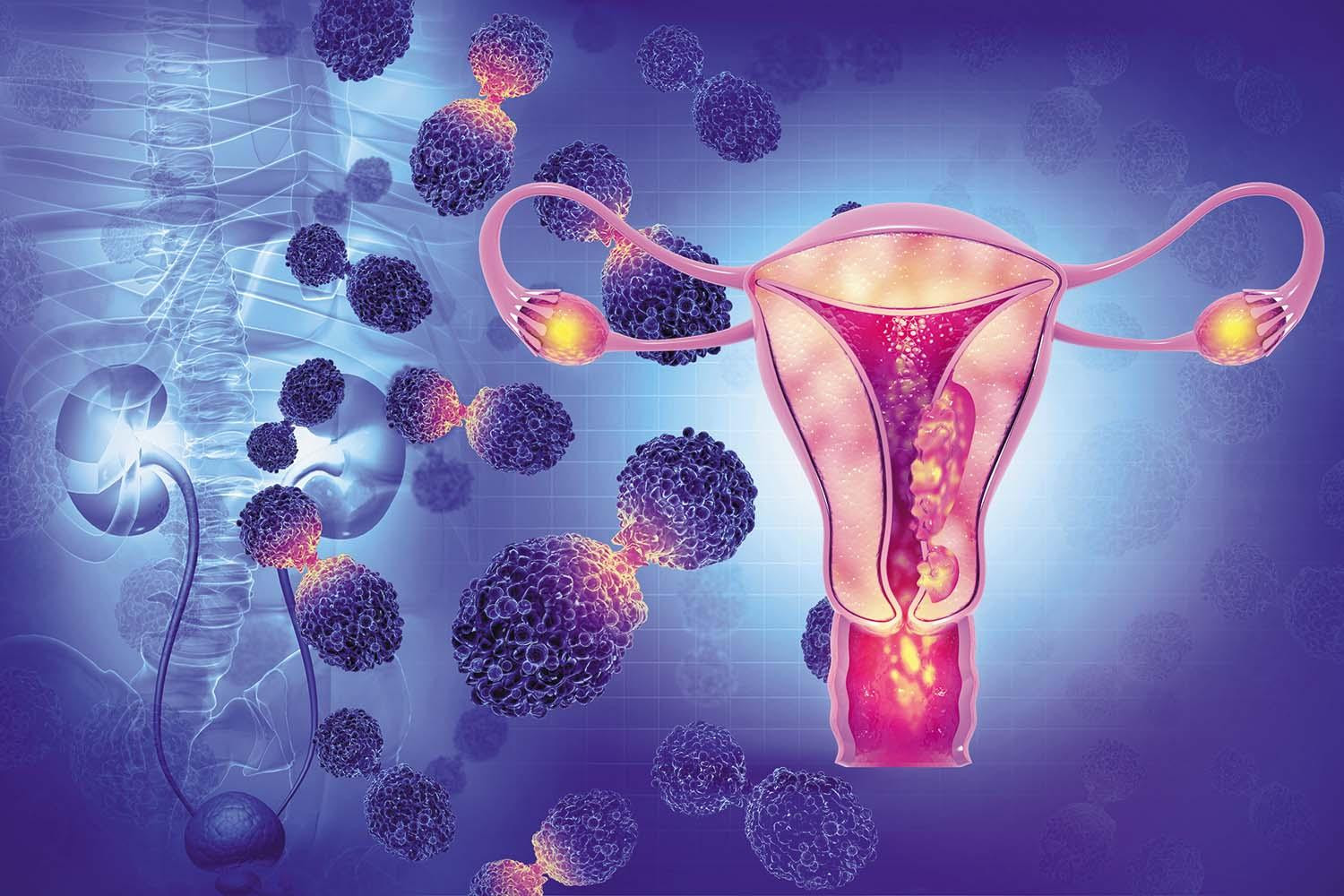
Gynaecological cancer surgery covers the surgical treatment of cancers arising in the female reproductive organs, including the ovaries, cervix, uterus, fallopian tubes, vagina and vulva. Endometrial (uterine) and cervical cancer are among the most commonly diagnosed gynaecological cancers, and both are frequently detected at an early stage, when treatment outcomes tend to be favourable. Treatment usually begins with surgical staging to determine how far the disease has spread, followed by radiotherapy or chemotherapy when indicated by the final pathology findings.
Where Minimally Invasive Surgery Fits In
A growing share of gynaecological cancer surgery, particularly for endometrial cancer, is performed using laparoscopic or robotic techniques rather than a large open incision. Robotic surgery provides a magnified high-definition 3D view and wristed instrument control, which can be especially useful during complex procedures such as radical hysterectomy, where the surgeon works close to the ureters, bladder and major blood vessels. Not every patient or cancer is suited to a minimally invasive approach. The decision depends on factors such as the cancer stage, tumour size, disease characteristics and the patient's overall fitness for surgery.
Cancers and Conditions Treated
Comprehensive Surgical Treatment for Gynaecological Cancers
Each cancer or condition is assessed individually before a treatment plan is proposed. The recommended approach depends on the type and stage of cancer, tumour characteristics, overall health and other individual factors.
Ovarian Cancer
Surgical management of ovarian cancer based on the stage and extent of disease.
Cervical Cancer
Surgical treatment for selected cervical cancers, depending on tumour stage and characteristics.
Uterine (Endometrial) Cancer
Surgical management of uterine cancer, including appropriate staging procedures.
Fallopian Tube Cancer
Individualised surgical treatment based on the location and extent of the cancer.
Early-Stage Vulvar Cancer
Surgical treatment for selected early-stage vulvar cancers with appropriate oncological planning.
Selected Vaginal Cancers
Specialised surgical management for selected vaginal cancers following individual assessment.
Pelvic Tumours
Evaluation and surgical management of selected pelvic tumours based on their location and extent.
Recurrent Gynaecological Cancers
Selected recurrent gynaecological cancers may be considered for surgery after detailed assessment.
Peritoneal Surface Malignancies
Selected patients with peritoneal surface malignancies may be evaluated for specialised surgical treatment.
Conditions Treated
Advanced Robotic Surgery for Gynaecological Cancers
Dr. Tapan Singh Chauhan offers advanced robotic and minimally invasive surgical treatment for a wide range of gynaecological cancers and complex pelvic tumors. Each patient receives an individualized treatment plan based on the type, stage, and extent of the disease.
Ovarian Cancer
Cervical Cancer
Uterine (Endometrial) Cancer
Fallopian Tube Cancer
Early Vulvar Cancer
Selected Vaginal Cancers
Pelvic Tumors
Recurrent Gynaecological Cancers (Selected Cases)
Peritoneal Surface Malignancies (Selected Patients)
Benefits of Robotic Surgery
Advanced Precision for Better Surgical Outcomes
Robotic-assisted cancer surgery combines advanced technology with surgical expertise to provide greater precision and control during complex procedures. Compared with traditional open surgery, robotic techniques offer several benefits that help improve patient comfort, recovery, and overall outcomes.
Smaller Incisions
Tiny surgical incisions reduce tissue trauma and support quicker healing.
Minimal Blood Loss
Enhanced surgical precision helps minimize bleeding during the procedure.
Less Postoperative Pain
Smaller incisions typically result in reduced pain and greater comfort after surgery.
Reduced Risk of Infection
Minimally invasive techniques help lower the risk of postoperative wound infections.
Greater Surgical Precision
Robotic technology provides highly precise movements for complex cancer surgery.
Better Visualization
High-definition 3D magnified views allow accurate visualization of complex anatomy.
Faster Recovery
Patients generally recover more quickly and return to normal activities sooner.
Shorter Hospital Stay
Most patients require a shorter hospitalization compared with open surgery.
Improved Cosmetic Results
Smaller scars contribute to better cosmetic outcomes after surgery.
Earlier Return to Daily Activities
Faster healing allows patients to resume work and everyday routines earlier.
Why Choose Dr. Tapan Singh Chauhan?
Expert Robotic Gynaecological Cancer Surgery in Delhi Gurgaon
Dr. Tapan Singh Chauhan is an experienced Surgical Oncologist specializing in robotic gynaecological cancer surgery. By combining advanced minimally invasive techniques with personalized treatment planning and evidence-based care, he provides comprehensive cancer management focused on optimal surgical outcomes, faster recovery, and improved quality of life.
Experienced Surgical Oncologist in Delhi Gurgaon
Extensive experience in the surgical management of complex gynaecological cancers using modern techniques.
Expertise in Robotic Gynaecological Cancer Surgery
Specialized in robotic-assisted surgery for precise treatment of gynaecological malignancies.
Advanced Minimally Invasive Techniques
Uses advanced laparoscopic and robotic procedures to reduce pain, blood loss, and recovery time.
Personalized Treatment Planning
Individualized treatment strategies based on the cancer type, stage, and each patient's needs.
Organ-Preserving Surgery
Whenever clinically appropriate, surgical techniques are aimed at preserving healthy organs and function.
Multidisciplinary Cancer Care
Collaborative treatment planning with medical, radiation, and surgical oncology specialists.
Enhanced Recovery After Surgery
Focused on faster recovery through evidence-based perioperative care and rehabilitation protocols.
Comprehensive Pre- & Post-Operative Support
Complete care including patient education, nutritional guidance, recovery planning, and long-term follow-up.
Evidence-Based Treatment Protocols
Care is guided by internationally accepted clinical guidelines and the latest advances in cancer surgery.
Frequently Asked Questions
Find answers to common questions about gynaecological cancer surgery, robotic surgery, eligibility, symptoms, safety, and recovery.