A cancer diagnosis is one of the few moments where getting a second, independent read on the situation genuinely changes outcomes — not because the first opinion was necessarily wrong, but because treatment decisions this significant deserve confirmation.
Dr. Tapan Singh Chauhan reviews diagnosis, pathology and treatment plans for patients who want clarity before committing to surgery, chemotherapy, radiation or any other major cancer treatment.
A second opinion isn't about replacing your current doctor — it's about making sure the plan in front of you is genuinely the right one for your specific case.
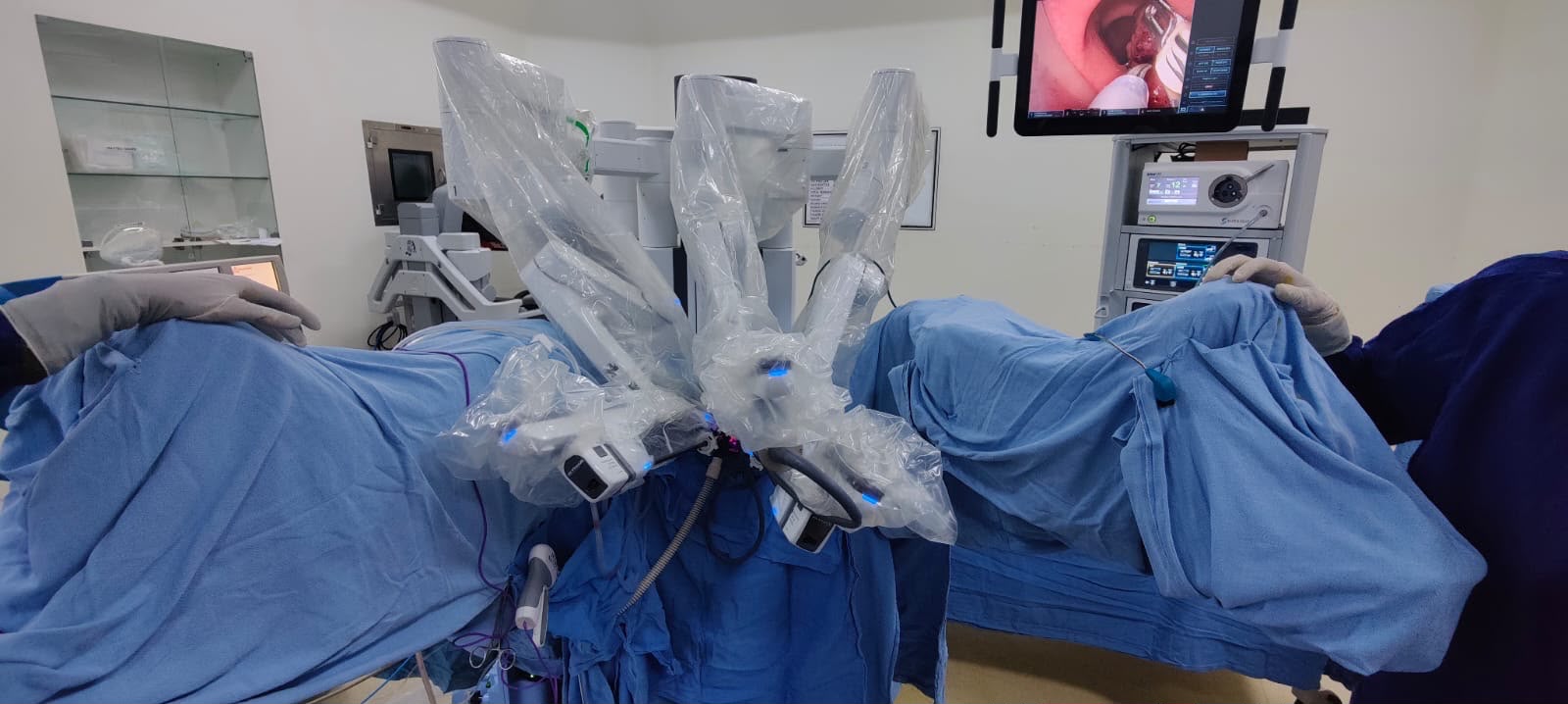
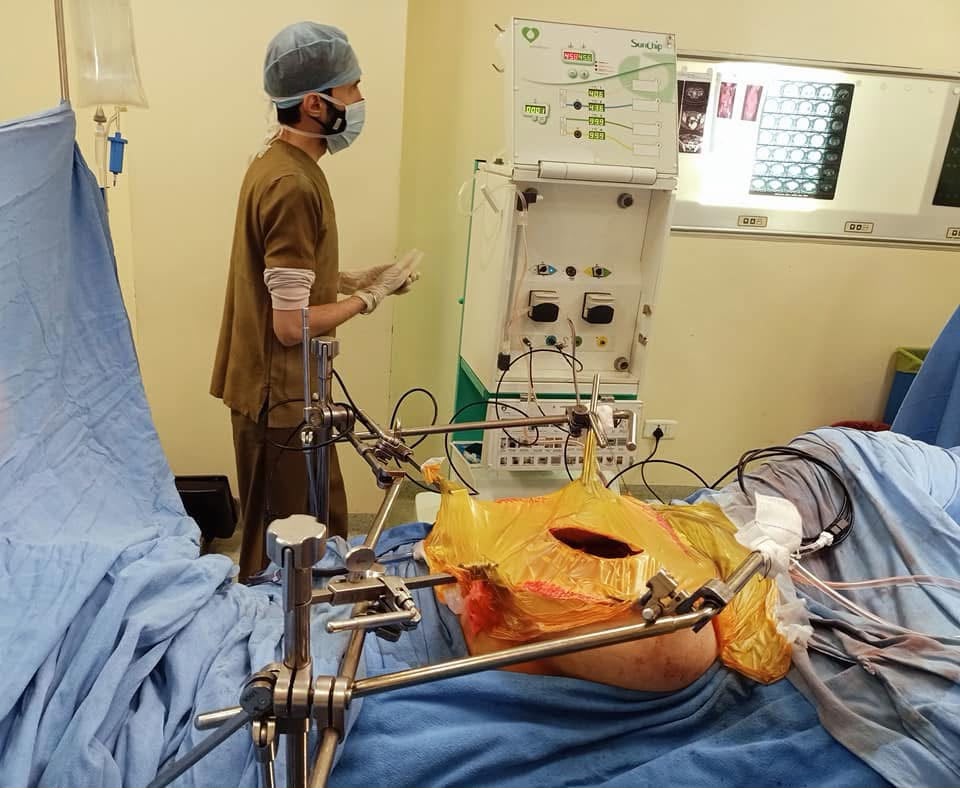
When to Seek a Second Opinion
A second opinion is worth considering at several points along the way, not only right after diagnosis. It can help you better understand your diagnosis, treatment options, and the reasoning behind your recommended cancer treatment plan.
Recently Diagnosed with Cancer
You've recently been diagnosed with cancer and want the diagnosis confirmed before proceeding with treatment.
Surgery Has Been Recommended
Surgery has been recommended and you want to understand whether it is the right approach, including whether a minimally invasive or robotic option exists.
Chemotherapy or Radiation Has Been Advised
You've been advised chemotherapy or radiation therapy and want to understand the reasoning behind it and whether alternatives are available.
Rare or Complex Cancer Diagnosis
Your diagnosis is rare, complex, or involves a cancer type that your current treatment team sees infrequently.
Symptoms Continue Despite Treatment
Symptoms are continuing despite treatment, and you want a fresh clinical assessment of your condition and treatment plan.
Want Reassurance Before Treatment
You simply want reassurance and a clearer picture of your options before starting cancer treatment.
What a Second Opinion Consultation Involves
Every second opinion follows the same careful process, regardless of the cancer type involved. The aim is to provide a clear understanding of your diagnosis, treatment options, and the most appropriate way forward.
Comprehensive Case Review
Your medical records, pathology reports, imaging and existing investigations are reviewed in detail to understand the exact nature and stage of your disease.
Personalised Expert Opinion
You receive a clear explanation of your diagnosis, the treatment options genuinely available to you, what outcomes to expect, and any reasonable alternatives worth considering.
Treatment Recommendations
Depending on the case, this may include surgery, robotic surgery, chemotherapy, targeted therapy, immunotherapy, radiation therapy, active surveillance, or a coordinated multidisciplinary treatment plan.
Time to Ask Questions
Patients and family members are encouraged to raise concerns and ask questions directly, so every aspect of the recommended treatment is genuinely understood before deciding how to proceed.
Benefits of Getting a Second Opinion
Seeking a second opinion can provide greater clarity about your diagnosis and treatment plan, helping you make important cancer treatment decisions with greater confidence.
Confirm the Diagnosis
Confirm that your diagnosis is accurate before committing to cancer treatment.
Understand Your Treatment Plan
Understand whether the recommended treatment plan is genuinely the most suitable option for your specific condition.
Explore Additional Treatment Options
Learn about minimally invasive surgery, robotic surgery, targeted therapy, immunotherapy and other treatment options that may not have been discussed previously.
Identify Procedures That May Be Avoided or Modified
A careful independent review can help identify whether certain procedures can be avoided, modified, or approached differently.
Move Forward with Greater Confidence
Move forward with your cancer treatment decisions knowing they are supported by an independent expert evaluation.
Who Can Benefit from a Second Opinion?
Expert Guidance for a Wide Range of Cancer Conditions
A second opinion can help patients better understand their diagnosis, explore advanced treatment options, and make informed decisions. It is especially beneficial for individuals diagnosed with the following conditions:
Gastrointestinal (GI) Cancers
Liver Cancer
Pancreatic Cancer
Gallbladder Cancer
Colorectal Cancer
Stomach Cancer
Esophageal Cancer
Breast Cancer
Gynaecological Cancers
Soft Tissue Tumors
Retroperitoneal Tumors
Complex Surgical Conditions
Frequently Asked Questions
Find answers to common questions about getting a second opinion for cancer treatment, including when to seek one, what to bring, and how a second opinion can help with treatment decisions.