Pancreatic Cancer
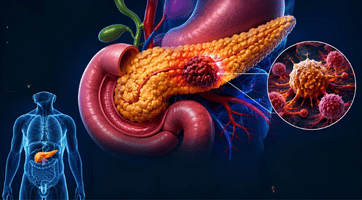
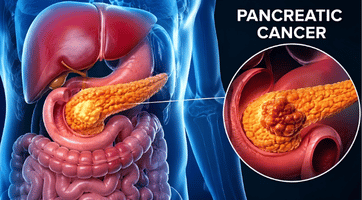
Pancreatic cancer is a serious and often challenging disease that develops in the tissues of the pancreas, an organ located behind the stomach. It typically presents few symptoms in its early stages, making early detection difficult. As the disease progresses, symptoms may include abdominal pain, weight loss, jaundice, and digestive issues.
Risk Factors for Pancreatic Cancer
Factors That May Increase Your Risk
Pancreatic cancer can develop due to a combination of genetic, lifestyle, and environmental factors. While having one or more risk factors does not necessarily mean you will develop pancreatic cancer, understanding them can help with prevention, early detection, and timely medical evaluation.
Smoking
Tobacco use significantly increases the risk of developing pancreatic cancer.
Being Overweight
Obesity is associated with a higher likelihood of developing pancreatic cancer.
Diabetes
Long-standing diabetes, especially Type 2 diabetes, is linked to an increased risk.
Chronic Pancreatitis
Long-term inflammation of the pancreas can increase the likelihood of pancreatic cancer.
Exposure to Certain Chemicals
Regular exposure to industrial chemicals and harmful substances may raise the risk.
Age, Gender & Family History
Older age, male gender, certain racial backgrounds, and a family history of pancreatic cancer increase the risk.
Symptoms of Pancreatic Cancer
Recognize the Early Warning Signs
Pancreatic cancer often does not cause noticeable symptoms in its early stages. As the disease progresses, the following signs may develop. If you experience any of these symptoms, especially if they persist, consult a specialist for timely evaluation.
Jaundice
Yellowing of the skin and the whites of the eyes.
Light-Colored Stools
Pale or clay-colored stools may indicate blockage of the bile duct.
Dark Urine
Dark-colored urine can be an early sign of jaundice.
Abdominal & Back Pain
Pain in the upper or middle abdomen that may radiate to the back.
Unexplained Weight Loss
Losing weight without changes in diet or physical activity.
Loss of Appetite
Reduced desire to eat or feeling full quickly.
Persistent Fatigue
Feeling unusually tired or weak without an obvious cause.
Treatment Options
The treatment for pancreatic cancer depends on several factors, including the stage of the disease, the size and location of the tumor, and the patient's overall health. An individualized treatment plan is developed to achieve the best possible outcomes.
Treatment options may include surgery, chemotherapy, radiation therapy, or a combination of these approaches. Surgery is often recommended for patients with localized tumors that can be safely removed, while chemotherapy and radiation therapy may be used before or after surgery or as the primary treatment for advanced disease.
A multidisciplinary team consisting of surgical oncologists, medical oncologists, radiation oncologists, radiologists, gastroenterologists, and other specialists works together to create a personalized treatment plan and provide comprehensive, patient-centered care throughout the treatment journey.
Robotic Whipple's Procedure for Pancreatic Head & Periampullary Tumors
Robotic Whipple's Procedure for Pancreatic Head & Periampullary Tumors The Whipple's Procedure (Pancreaticoduodenectomy) is the gold-standard surgical treatment for cancers located in the head of the pancreas and periampullary region. Using advanced robotic technology, the procedure is performed with exceptional precision, helping remove the cancer while preserving healthy surrounding tissues whenever possible. Robotic surgery offers enhanced visualization, greater surgical accuracy, and a minimally invasive approach that may lead to faster recovery and reduced postoperative discomfort in carefully selected patients.
Conditions Treated
Advanced Robotic Surgery for Pancreatic & Periampullary Tumors
Robotic Whipple's Procedure (Pancreaticoduodenectomy) is performed for carefully selected patients with cancers and tumors affecting the pancreas, bile duct, and surrounding region. The minimally invasive robotic approach provides greater precision while maintaining excellent oncological outcomes.
Pancreatic Head Cancer
Malignant tumors arising in the head of the pancreas requiring surgical removal.
Periampullary Tumors
Tumors developing near the ampulla of Vater that may require Whipple's procedure.
Distal Bile Duct Cancer
Cancers affecting the lower portion of the bile duct suitable for robotic surgery.
Selected Duodenal Tumors
Appropriately selected tumors of the duodenum treated with robotic pancreatic surgery.
Benefits of Robotic Whipple's Procedure
Robotic-assisted Whipple's Procedure combines the proven effectiveness of traditional pancreatic surgery with the precision of advanced robotic technology. This minimally invasive approach offers several advantages for carefully selected patients.
High Precision
Advanced robotic technology enables exceptional surgical precision.
Smaller Incisions
Minimal access surgery results in smaller scars and improved cosmetic outcomes.
Reduced Blood Loss
Enhanced precision helps minimize blood loss during surgery.
Less Postoperative Pain
Smaller incisions generally lead to reduced discomfort after surgery.
Faster Recovery
Many patients experience shorter hospital stays and quicker recovery.
Early Return to Daily Activities
Patients can often resume normal routines sooner than with open surgery.
Superior Surgical Visualization
High-definition 3D magnified views improve accuracy during complex reconstruction.
Robotic / Laparoscopic Distal Pancreatosplenectomy
Robotic & Laparoscopic Distal Pancreatosplenectomy for Body & Tail Pancreatic Tumors
For tumors located in the body or tail of the pancreas, Distal Pancreatosplenectomy is an effective surgical treatment. Depending on the patient's condition, the procedure can be performed using robotic or laparoscopic (keyhole) techniques. This minimally invasive approach allows precise removal of the affected portion of the pancreas, often along with the spleen when required, while promoting faster healing and reduced surgical trauma.
Indications
When Robotic Distal Pancreatectomy is Recommended
Robotic Distal Pancreatectomy is a minimally invasive procedure used to treat selected tumors affecting the body and tail of the pancreas. The robotic approach offers enhanced precision, improved visualization, and faster recovery while maintaining excellent surgical outcomes.
Tumors in the Body of the Pancreas
Robotic surgery is an effective treatment option for selected tumors located in the pancreatic body.
Tumors in the Tail of the Pancreas
Ideal for carefully selected tumors affecting the tail of the pancreas.
Selected Pancreatic Cystic Tumors
Suitable for selected benign and potentially malignant pancreatic cystic lesions.
Neuroendocrine Tumors
Selected pancreatic neuroendocrine tumors can be effectively managed using robotic surgery.
Advantages
Robotic Distal Pancreatectomy combines advanced robotic technology with minimally invasive surgery, providing patients with greater comfort, faster recovery, and excellent oncological outcomes in appropriately selected cases.
Minimally Invasive Surgery
Performed through small keyhole incisions with advanced robotic assistance.
Smaller Incisions
Better cosmetic results with minimal scarring.
Less Postoperative Pain
Smaller incisions help reduce discomfort after surgery.
Reduced Blood Loss
Enhanced precision minimizes bleeding during surgery.
Lower Risk of Wound Complications
Smaller surgical wounds reduce the risk of infection and related complications.
Shorter Hospital Stay
Patients often recover faster and require fewer days in the hospital.
Faster Return to Normal Life
Most patients resume their daily routine sooner compared to open surgery.
Excellent Oncological Outcomes
Provides effective cancer treatment with excellent outcomes in suitable patients.
Consultation
Regular check-ups, awareness of risk factors, and lifestyle modifications can
contribute to prevention efforts. If you have concerns about pancreatic health
or risk factors, consult with a healthcare professional for personalized
guidance.
Dr. Tapan Chauhan is dedicated to providing comprehensive care for patients
facing pancreatic cancer. Our team is committed to offering the latest
advancements in diagnosis, treatment, and ongoing support. From early
detection strategies to innovative treatments, we are here to guide you
through your journey with compassion and expertise.