What Is Head and Neck Cancer?
Advanced Head & Neck Cancer Treatment by Dr. Tapan Singh Chauhan
Most head and neck cancers start in the squamous cells that line the mouth, throat, and voice box, and are known as squamous cell carcinomas of the head and neck. A smaller number arise in the salivary glands, sinuses, or the muscles and nerves in this region.
Where exactly the cancer starts has a direct bearing on how it is treated, which is why identifying the site of origin is one of the first steps in diagnosis.
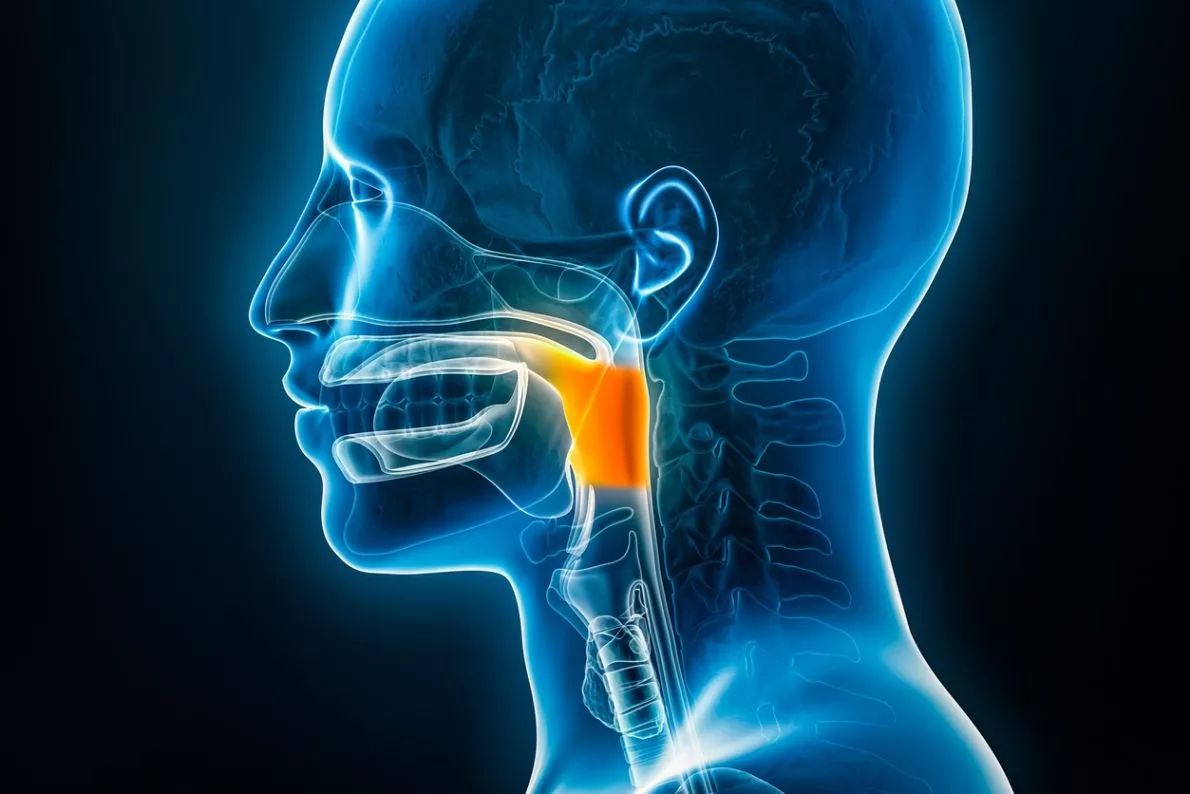

Where These Cancers Develop
Common Sites of Head & Neck Cancer
Head and neck cancers can develop in several areas of the head and neck. The location of the cancer helps doctors determine the appropriate diagnostic and treatment approach.
Oral Cavity
The oral cavity includes the lips, front two-thirds of the tongue, gums, cheek lining, floor of the mouth, and hard palate.
Pharynx (Throat)
The pharynx, or throat, is divided into three main regions: the nasopharynx, oropharynx, and hypopharynx.
Larynx (Voice Box)
The larynx, or voice box, includes the vocal cords and the epiglottis, which helps protect the airway during swallowing.
Paranasal Sinuses & Nasal Cavity
Cancer can develop in the paranasal sinuses or the nasal cavity, the space located inside the nose.
Salivary Glands
Salivary gland cancers can arise in the major glands located near the jaw as well as the smaller glands found throughout the mouth and throat.
Types of Head & Neck Cancers
Common Sites Where Head & Neck Cancers Develop
Head and neck cancers can develop in different parts of the head and neck. Identifying the site of origin is important for accurate diagnosis and selecting the most effective treatment approach.
Oral Cavity
Includes the lips, front two-thirds of the tongue, gums, inner lining of the cheeks and lips, floor of the mouth, hard palate, and the area behind the wisdom teeth.
Throat (Pharynx)
The pharynx is divided into three parts: nasopharynx, oropharynx, and hypopharynx. Cancer may develop in any of these regions.
Voice Box (Larynx)
The larynx contains the vocal cords and the epiglottis, which helps prevent food from entering the airway during swallowing.
Paranasal Sinuses & Nasal Cavity
These cancers develop in the paranasal sinuses or within the nasal cavity, the hollow space inside the nose.
Salivary Glands
Salivary gland cancers can arise in the major salivary glands near the jaw and floor of the mouth or in the minor salivary glands located throughout the mouth and throat.
Symptoms of Head & Neck Cancer
Recognizing the Warning Signs Early
Head and neck cancers can cause a variety of symptoms depending on where the cancer begins. Recognizing these warning signs early and seeking prompt medical evaluation can improve the chances of successful treatment.
Symptoms in the Mouth (Oral Cavity)
- White or red sores on the gums, tongue, or lining of the mouth that do not heal.
- Swelling in the jaw.
- Unusual bleeding or persistent pain in the mouth.
- A lump or thickening inside the mouth.
- Problems with dentures fitting properly.
Symptoms in the Throat (Pharynx)
- Trouble breathing or speaking.
- A lump or thickening in the throat.
- Difficulty chewing or swallowing food.
- A sensation that something is stuck in the throat.
- Persistent sore throat.
- Ear pain, ringing in the ears, or hearing problems.
Symptoms in the Voice Box (Larynx)
- Pain while swallowing.
- Persistent ear pain.
Symptoms in the Sinuses & Nasal Cavity
- Blocked sinuses that do not clear.
- Recurring sinus infections that do not respond to antibiotics.
- Nosebleeds or bleeding through the nose.
- Persistent headaches.
- Pain and swelling around the eyes.
- Pain in the upper teeth.
- Problems with dentures.
Important Note
Many of these symptoms may also occur with non-cancerous conditions. However, if you notice a mouth sore that does not heal, persistent sore throat, difficulty swallowing, voice changes, or a lump in the neck or mouth lasting for more than two weeks, consult a healthcare professional for prompt evaluation.
Diagnosis of Head & Neck Cancer
Comprehensive Evaluation for Accurate Diagnosis
An accurate head and neck cancer diagnosis is essential for determining the stage of the disease and creating an effective treatment plan. Diagnosis typically involves a combination of medical history, physical examination, imaging studies, biopsy, and laboratory investigations.
Medical History & Physical Examination
The evaluation begins with a detailed review of your medical history, lifestyle, symptoms, and risk factors. A thorough examination of the head, neck, mouth, throat, and surrounding areas helps identify any abnormal growths or swollen lymph nodes.
Imaging Tests
Advanced imaging techniques such as CT scans, MRI, PET scans, X-rays, and barium swallow studies help visualize the tumor, assess its size, and determine whether the cancer has spread to nearby tissues or lymph nodes.
Biopsy
If an abnormal area is detected, a biopsy is performed by removing a small tissue sample. The sample is examined under a microscope to confirm the presence of cancer cells and determine the type of cancer.
Laboratory Tests
Blood and urine tests help evaluate overall health, organ function, and identify specific abnormalities that may support diagnosis and treatment planning.
Important Note
The exact diagnostic tests for head and neck cancer vary depending on the patient's symptoms, suspected cancer type, and overall health. Early and accurate diagnosis is essential for determining the stage of the disease and developing the most effective, personalized treatment plan.
Risk Factors for Head & Neck Cancer
Understanding the Factors That Increase Risk
Several factors have been linked to an increased risk of head and neck cancer. Identifying these risk factors can help with prevention, early detection, and timely treatment.
Tobacco Use
Tobacco use, including smokeless tobacco products, is one of the leading risk factors for head and neck cancer.
Alcohol Consumption
Regular or heavy alcohol consumption significantly increases the risk of developing head and neck cancers.
Human Papillomavirus (HPV) Infection
Human papillomavirus (HPV) infection is an important risk factor, particularly for cancers of the oropharynx.
Radiation Exposure
Previous radiation therapy to the head and neck can increase the risk. Ultraviolet (UV) radiation from the sun can also increase the risk of lip cancer.
Male Gender
Head and neck cancers are two to three times more common in men than in women.
Age
The risk of developing head and neck cancer increases with advancing age.
Diet
Chewing betel quid (a mixture containing areca or betel nut) is a risk factor for cancers of the oral cavity, pharynx, and esophagus. High consumption of processed meat and diets low in vitamins A and B may also increase the risk.
Environmental & Workplace Inhalants
Exposure to asbestos, wood dust, formaldehyde, and other workplace chemicals has been linked to an increased risk of head and neck cancer.
Important Note
Individuals with one or more of these risk factors for head and neck cancer should consider regular medical check-ups and avoid preventable risk factors such as tobacco and excessive alcohol consumption. Early detection greatly improves treatment outcomes.
Treatment for Head & Neck Cancer
Comprehensive Treatment Options for Head & Neck Cancer
Several types of treatment are available for head and neck cancers. The choice of treatment depends on the location of the cancer, whether it is localized or has spread to other parts of the body, and other individual factors.
Surgery
Surgical removal of the tumor is commonly used to treat head and neck cancer. Surgery may be performed alone or in combination with radiation therapy and chemotherapy. In some cases, nearby lymph nodes are also removed as part of treatment.
Radiation Therapy
Radiation therapy destroys cancer cells using high-energy radiation. It may be used alone or together with surgery. It can also be given before surgery to shrink the tumor or after surgery to destroy any remaining cancer cells. For advanced-stage cancer, radiation therapy is often combined with surgery and/or chemotherapy.
Chemotherapy
Chemotherapy uses drugs to destroy or damage cancer cells. It is usually combined with surgery, radiation therapy, or both. It may be given before or after surgery. For advanced-stage cancer, chemotherapy may be combined with radiation therapy, known as chemoradiation.
Targeted Therapy
Targeted therapy uses drugs designed to block the Epidermal Growth Factor Receptor (EGFR), a protein found on the surface of cells that helps them grow. This treatment may be beneficial for certain types of head and neck cancers.
Immunotherapy
Immunotherapy uses medications that stimulate the body's immune system, helping it better recognize and fight cancer cells.
Reconstructive Surgery & Rehabilitation
Reconstructive surgery may be required to restore the function of structures damaged by the disease or its treatment. Some patients may also need rehabilitation therapy to improve speech and swallowing after treatment.
Important Note
The most appropriate treatment for head and neck cancer depends on the type, location, stage of the disease, and the patient's overall health. A personalized treatment plan developed by a multidisciplinary team offers the best chance for successful outcomes.
Frequently Asked Questions
Find answers to common questions about head & neck cancer, symptoms, treatment, surgery, recovery, and risk factors.