Surgery for Gastric cancer (Gastrectomy)
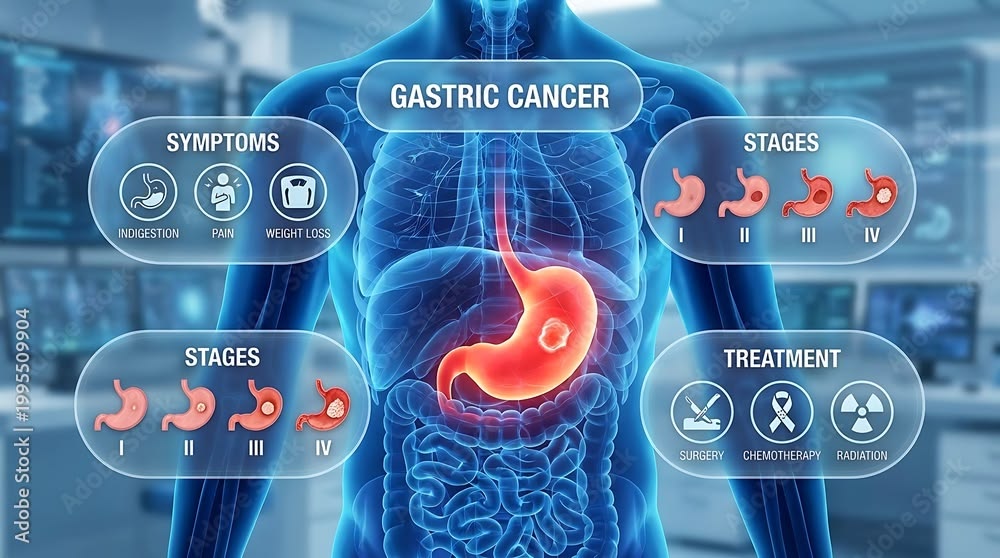
Gastric cancer surgery, also known as a Radical Gastrectomy, is a procedure to remove part or all of the stomach, depending upon the location of the tumour. Surgery is often part of the treatment of gastric cancer. Sometimes in the early stages of gastric cancer, surgery is curable.
There are two types of Gastrectomy:
1. Partial Gastrectomy removes part of the stomach either proximal or distal. Sometimes tumour located at the greature or lesser curvature requires sleeve gastrectomy.
2. Total Gastrectomy removes the whole of the stomach.
Appproaches to Gastrectomy and Reconstruction
Radical gastrectomy involves removal of part or total stomach and dissection of regional lymph nodes surrounding the stomach to stage the disease whether they are involved or not.
This procedure can be performed by open surgery, laparoscopy, and robotic technique. The choice of surgical method depends upon various factors and individual case.
After surgery, reconstruction of the remaining stomach is done by joining the small intestine to the remnant stomach, which is called gastrojejunostomy. When the entire stomach is resected, the small intestine is joined to the distal esophagus. A feeding tube is sometimes placed in the small intestine for feeding during the postoperative period.
Postoperative care:
You will be in hospital for 7-10 days and one or two days in ICU care. Initially you will be on
intravenous fluids and will be feeding through tube inserted though nose (nasoejunal) or
from abdomen ( feeding jejunostomy). Pain control is done by IV medication or an epidural
catheter placed in back.
You will start taking liquids by mouth in few days and then progress to soft diet after a
week.
Our team will advise you regarding wound care once you discharge to home.
Risks & Complications
Possible Risks After Stomach Cancer Surgery
Like any major surgery, stomach cancer surgery may be associated with certain risks and complications. These are carefully monitored and managed by the surgical team during recovery.
Anastomotic Leak
Leakage from the attachment (anastomosis) sites after surgery.
Infections
Includes wound infections and intra-abdominal abscess following surgery.
Afferent & Efferent Loop Syndrome
Complications involving the intestinal loops after stomach surgery.
Dumping Syndrome
May result in bloating, abdominal pain, nausea, and diarrhoea after eating.
Malnutrition
Many people lose weight after surgery, especially following total gastrectomy.
Treatment Options
Comprehensive Treatment for Gastric Cancer
Treatment for gastric cancer depends upon the stage of the disease, tumor location, and the patient's overall health. It often involves a combination of the following treatment options.
Surgery
Surgery is the primary treatment for many patients with localized gastric cancer.
Chemotherapy
Chemotherapy may be given before or after surgery to improve treatment outcomes.
Radiation Therapy
Radiation therapy may be recommended in selected patients as part of the treatment plan.
Targeted Therapy
Targeted therapy focuses on specific molecules involved in cancer growth.
Immunotherapy
Immunotherapy helps strengthen the body's immune system to fight cancer cells.
Prognosis
The prognosis of gastric cancer based on stage at the diagnosis with localised gastric cancer has a 5-year survival rate of around 75% and locally advance stage has a 5-year survival rate between 5-35%.
Follow-up Plan
Recovery & Nutritional Care After Stomach Cancer Surgery
Your digestive system changes significantly after surgery, so start with small, frequent meals and adjust gradually. Following these recommendations can help promote healing and recovery.
Small Frequent Meals
Eat 6 to 8 small meals daily, focusing on high-protein, high-calorie foods to aid healing and prevent weight loss.
Eat Slowly
Chew food thoroughly and eat slowly to avoid nausea or dumping syndrome.
Gradual Diet Progression
Begin with pureed foods and liquids for about 3 weeks, then gradually transition to solid foods.
Foods to Avoid
Avoid added sugars and gas-producing foods to minimize cramping, diarrhoea, or bloating.
Nutritional Supplements
Use nutritional supplements if needed to ensure adequate calories and consider long-term Vitamin B12 injections due to potential deficiencies.
Physical Activity
Gradual activity and regular exercise help promote faster recovery after surgery.
Frequently Asked Questions
Find answers to common questions about Stomach (Gastric) Cancer, risk factors, symptoms, diagnosis, and when to consult a specialist.