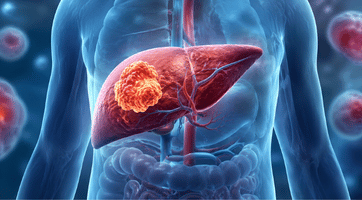
Liver cancer, a serious condition affecting the liver cells, poses significant health challenges. The liver, a vital organ, plays a key role in metabolism, digestion, and detoxification. Liver cancer can either originate in the liver (primary) or spread from other parts of the body (secondary).
Risk Factors for Liver Cancer
Understanding the Factors That Increase Risk
Primary liver cancer is often associated with long-term liver damage and certain medical conditions. Identifying these risk factors and recognizing symptoms early can help improve diagnosis and treatment outcomes.
Chronic Viral Hepatitis
Long-term Hepatitis B or Hepatitis C infection significantly increases the risk of liver cancer.
Alcohol-Related Liver Disease
Excessive alcohol consumption can damage the liver and increase cancer risk.
Non-Alcoholic Fatty Liver Disease (NAFLD)
Fat accumulation in the liver may lead to inflammation and increase the risk of liver cancer.
Cirrhosis
Scarring of the liver from chronic disease is one of the strongest risk factors for liver cancer.
Genetic Disorders
Certain inherited liver conditions can increase the likelihood of developing liver cancer.
Common Symptoms
Abdominal pain, unexplained weight loss, jaundice, and persistent fatigue often appear in later stages.
Treatment Options for Liver Cancer
Personalized Care for Better Outcomes
Early detection is essential for the successful treatment of liver cancer. Diagnosis typically includes imaging tests, blood tests, and biopsies to determine the extent of the disease and develop the most appropriate treatment plan.
Early Diagnosis
Imaging tests, blood tests, and biopsies help detect liver cancer and determine its stage.
Liver Cancer Surgery
Surgical removal of the tumor is often the preferred treatment for localized liver cancer.
Liver Transplantation
For selected patients, a liver transplant may offer the best chance for long-term survival.
Chemotherapy
Drug therapy may be recommended to destroy cancer cells or slow disease progression.
Targeted Therapy
Targeted medications focus on specific cancer pathways while minimizing damage to healthy tissue.
Radiation Therapy
High-energy radiation is used to destroy cancer cells or reduce tumor size in selected cases.
Personalized Treatment Approach
The choice of treatment depends on the stage of the cancer, liver function, and the patient's overall health. A multidisciplinary team works together to develop a personalized treatment plan that offers the best possible outcomes while preserving liver function whenever possible.
Consultation
Preventive measures include lifestyle changes to reduce liver disease risk,
vaccination against hepatitis B, and regular screenings for high-risk individuals.
Consultation with healthcare professionals is crucial for personalized guidance
on liver health and cancer prevention. If you have concerns about liver health
or potential risk factors, seek medical advice promptly.
Dr. Tapan Chauhan, is committed to providing compassionate and advanced
care for patients facing liver cancer. Our experienced team specializes in the
diagnosis, treatment, and ongoing support for individuals affected by liver
cancer.