Advanced Robotic GI Cancer Surgery for Better Outcomes
Gastrointestinal (GI) cancers are a group of cancers affecting the
digestive system, including organs such as the esophagus, stomach,
liver, pancreas, small intestine, colon, and rectum. Hepatobiliary
(HPB) cancers specifically involve the liver, gallbladder, bile ducts
and pancreas.
Surgical treatment plays a crucial role in managing these cancers, and
its approach can vary significantly depending on the type and stage of
the cancer.
Gastrointestinal (GI) cancer surgery provides a potential chance of
cure for many patients affected by the disease process. However,
these procedures are often complex and challenging, requiring the
expertise and experience of skilled gastrointestinal cancer surgeons.

Surgical Treatment for Gastrointestinal & HPB Cancers
Comprehensive Cancer Surgery Services
We provide advanced surgical treatment for a wide range of gastrointestinal (GI), hepatobiliary (HPB), and retroperitoneal cancers using evidence-based techniques and personalized treatment planning.
Esophageal Cancer Surgery
Advanced surgical treatment for cancers affecting the esophagus.
Stomach Cancer Surgery
Comprehensive surgical management for gastric cancer.
Small Intestine Cancer Surgery
Specialized surgery for tumors of the small intestine.
Colon & Rectal Cancer Surgery
Expert surgical care for colon and rectal cancers.
Pancreatic Cancer Surgery
Advanced surgical procedures for pancreatic tumors.
Liver Cancer Surgery
Precision liver resection and surgical treatment for liver cancer.
Gall Bladder Cancer Surgery
Specialized surgery for gall bladder malignancies.
GIST Tumor Surgery
Expert surgical management of Gastrointestinal Stromal Tumors (GIST).
Complex Retroperitoneal Tumor Surgery / RPLND
Advanced surgical treatment for complex retroperitoneal tumors and RPLND procedures.
Our Expertise: We offer comprehensive surgical management for gastrointestinal, hepatobiliary, pancreatic, colorectal, and retroperitoneal cancers with a focus on achieving the best possible clinical outcomes.
Symptoms of Gastrointestinal Cancer
Recognize the Early Warning Signs
Gastrointestinal (GI) cancers may present with different symptoms depending on the affected organ. If any of the following symptoms persist or worsen, seek evaluation from an experienced surgical oncologist.
Persistent Abdominal Pain
Ongoing abdominal discomfort or pain that does not improve with routine treatment.
Difficulty Swallowing
Trouble swallowing food or liquids, especially if it gradually worsens.
Blood in Stool
Visible blood or black-colored stools may indicate gastrointestinal bleeding.
Weight Loss & Appetite Loss
Unexplained weight loss or reduced appetite without a known reason.
Bowel Habit Changes
Persistent constipation, diarrhea, or any significant change in bowel habits.
Indigestion, Vomiting & Fatigue
Persistent indigestion, repeated vomiting, or unusual fatigue should not be ignored.
Note: If these symptoms persist for more than a few weeks or become severe, consult a surgical oncologist for timely diagnosis and appropriate treatment.
Robotic GI Cancer Surgery
Precision Surgery with Advanced Robotic Technology
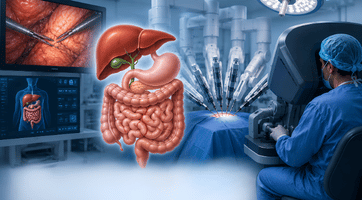
Robotic-assisted GI cancer surgery offers exceptional precision for complex digestive tract procedures. The robotic platform provides superior visualization and enhanced surgical control, helping preserve healthy tissues while achieving effective cancer removal whenever possible.
Smaller Incisions
Less Postoperative Pain
Minimal Blood Loss
Faster Recovery
Reduced Infection Risk
Shorter Hospital Stay
Better Cosmetic Outcomes
Earlier Return to Daily Activities
Diagnostic Evaluation
Comprehensive Cancer Diagnosis
Accurate diagnosis is the foundation of effective gastrointestinal cancer treatment. A detailed clinical evaluation combined with advanced diagnostic investigations helps determine the type, stage, and extent of cancer to create the most appropriate treatment plan.
Endoscopy
Examination of the digestive tract using a flexible camera for early detection.
Colonoscopy
Detailed evaluation of the colon and rectum to identify abnormal growths.
CT Scan
Cross-sectional imaging to evaluate tumor size and disease spread.
MRI Scan
High-resolution imaging for accurate assessment of soft tissues.
PET-CT Scan
Advanced imaging to detect cancer activity throughout the body.
Biopsy
Tissue sampling to confirm the diagnosis and identify cancer type.
Blood Tests
Routine laboratory investigations to evaluate overall health and organ function.
Tumor Markers
Specialized blood tests that support diagnosis, staging, and treatment monitoring.
Why Choose Us for Gastrointestinal Cancer Surgery?
Comprehensive, Advanced & Patient-Centered Cancer Care
We provide specialized gastrointestinal and hepatobiliary (HPB) cancer surgery using advanced surgical techniques, evidence-based treatment protocols, and personalized care to achieve the best possible outcomes for every patient.
Comprehensive Cancer Care
Expert management of all gastrointestinal and hepatobiliary (HPB) cancers with a full range of advanced surgical procedures.
Excellence in Treatment
Fellowship-trained GI cancer surgeons with extensive experience in performing complex gastrointestinal cancer surgeries.
Advanced HIPEC Treatment
Offering HIPEC surgery for selected advanced abdominal cancers to improve survival in appropriate metastatic GI cancer cases.
Robotic & Minimally Invasive Surgery
Laparoscopic and robotic-assisted procedures offer smaller incisions, less pain, minimal scarring, and faster recovery.
ERAS Recovery Protocols
Enhanced Recovery After Surgery (ERAS) protocols help reduce complications and promote faster recovery after surgery.
Focus on Quality of Life
Our treatment aims to preserve organ function, reduce complications, and improve long-term quality of life.
Support at Every Step
Our multidisciplinary team provides continuous guidance and personalized support throughout your cancer treatment journey.
Recovery After GI Cancer Surgery
Faster Healing with Advanced Surgical Techniques
Recovery after gastrointestinal (GI) cancer surgery depends on the type of procedure performed and your overall health. Robotic and minimally invasive surgery generally results in a quicker recovery, allowing patients to resume their normal routine sooner with less discomfort.
Earlier Walking
Patients are encouraged to start walking sooner, promoting faster recovery and reducing complications.
Less Pain
Smaller incisions lead to reduced postoperative pain and a more comfortable recovery.
Faster Bowel Recovery
Normal digestive function typically returns sooner after minimally invasive surgery.
Shorter Hospital Stay
Most patients spend less time in the hospital compared to traditional open surgery.
Earlier Return to Work
Faster healing helps patients resume work and daily activities with greater confidence.
Treatment Options
Comprehensive Care for GI & HPB Cancers
Surgical interventions for gastrointestinal (GI) and hepatobiliary (HPB) cancers are personalized according to the type, location, and stage of the disease. A multidisciplinary approach ensures the most effective treatment plan for every patient.
Surgery
Removal of cancerous tumors through partial or complete resection of the affected organ, depending on the extent of the disease.
Chemotherapy
May be given before surgery (neoadjuvant) to shrink tumors or after surgery (adjuvant) to reduce the risk of recurrence.
Radiation Therapy
Can be used alone or combined with surgery and chemotherapy to effectively treat selected gastrointestinal cancers.
Targeted Therapy
Uses advanced medications that specifically target cancer cell growth pathways while minimizing damage to healthy tissues.
Personalized Treatment: Every treatment plan is tailored after thorough evaluation by a multidisciplinary cancer care team to provide the best possible clinical outcome.
Types of Gastrointestinal Cancers
Understanding Different GI Cancer Types
Gastrointestinal (GI) cancers affect different organs of the digestive system. Each type has unique risk factors, symptoms, and treatment approaches, making early diagnosis and specialized care essential.
Esophageal Cancer
Affects the esophagus and is commonly associated with smoking, excessive alcohol consumption, and gastroesophageal reflux disease (GERD).
Stomach Cancer
Also called gastric cancer, it is linked to Helicobacter pylori infection, smoking, and certain dietary habits.
Liver Cancer
Often develops due to chronic liver diseases such as hepatitis B, hepatitis C, and liver cirrhosis.
Pancreatic Cancer
Aggressive cancer that is frequently diagnosed late. Major risk factors include smoking, obesity, and family history.
Colon & Rectal Cancer
Also known as colorectal cancer, commonly associated with increasing age, genetics, unhealthy diet, and physical inactivity.
Small Intestine Cancer
A rare cancer that may be associated with inherited syndromes, Crohn's disease, and certain dietary factors.
Early Detection Matters: Recognizing risk factors and seeking timely medical evaluation can significantly improve treatment outcomes for gastrointestinal cancers.
Types of Hepatobiliary (HPB) Cancers
Specialized Care for Liver & Biliary Tract Cancers
Hepatobiliary (HPB) cancers affect the liver, bile ducts, and gallbladder. These cancers often require advanced surgical expertise and a multidisciplinary approach for effective treatment.
Liver Cancer
The most common type is hepatocellular carcinoma (HCC), which usually develops in patients with chronic liver disease or cirrhosis.
Cholangiocarcinoma
Cancer of the bile ducts that may occur inside the liver (intrahepatic) or outside the liver (extrahepatic).
Gallbladder Cancer
A rare but aggressive cancer commonly associated with gallstones and long-term inflammation of the gallbladder.
Expert Care: Early diagnosis and specialized hepatobiliary surgery can significantly improve treatment outcomes and long-term survival.
Conclusion:
Early detection is crucial for improving outcomes in both GI and HPB cancers. Regular screenings, awareness of risk factors, and a healthy lifestyle can contribute to prevention and early diagnosis. If you have specific questions or need deeper insights into certain aspects of these cancers, feel free to ask!
Frequently Asked Questions
Find answers to common questions about gastrointestinal (GI) cancer surgery, robotic-assisted procedures, recovery, and when to consult a GI surgical oncologist.