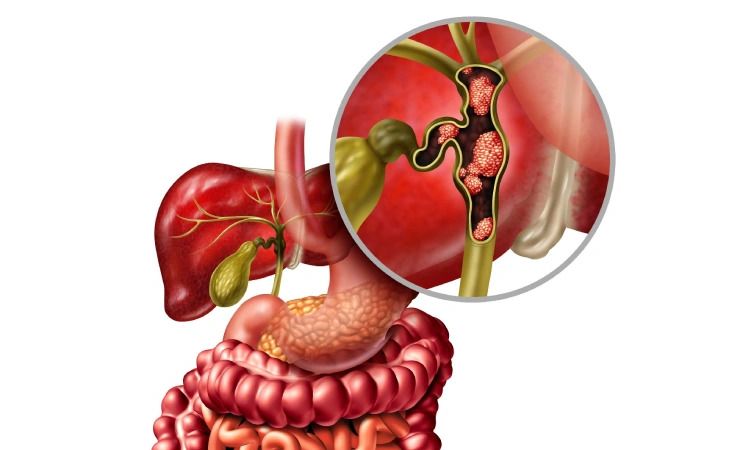
Bile duct cancer, also known as cholangiocarcinoma, is a rare but aggressive form of cancer that originates in the bile ducts, the tubes that carry bile from the liver to the small intestine. This cancer can occur in different parts of the bile duct system, and its exact cause is often unclear.
Symptoms of Bile Duct Cancer
Recognizing the Warning Signs of Cholangiocarcinoma
Bile duct cancer (cholangiocarcinoma) often develops silently, and symptoms may not appear until the disease has progressed. Recognizing these warning signs early and seeking prompt medical evaluation can help improve diagnosis and treatment outcomes.
Jaundice
Yellowing of the skin and the whites of the eyes caused by blockage of the bile ducts.
Dark Urine
Urine may become dark brown or tea-colored due to elevated bilirubin levels.
Clay-Colored Stool
Pale or clay-colored stools may occur when bile cannot reach the intestines.
Abdominal Pain
Persistent pain or discomfort, especially in the upper right side of the abdomen.
Fever
Recurring fever may develop, particularly if there is an associated infection.
Itchy Skin
Persistent itching caused by the buildup of bile salts beneath the skin.
Nausea & Vomiting
Ongoing nausea and vomiting may occur as the disease progresses.
Unexplained Weight Loss
Unexpected weight loss without changes in diet or physical activity.
Important Note
Unfortunately, the symptoms of bile duct cancer (cholangiocarcinoma) often appear only after the disease has reached an advanced stage, making early detection challenging. If you experience persistent jaundice, abdominal pain, unexplained weight loss, or any of the above symptoms, consult a healthcare provider without delay.
Risk Factors for Bile Duct Cancer
Understanding the Factors That Increase the Risk
Bile duct cancer (cholangiocarcinoma) is associated with several medical conditions, lifestyle factors, and inherited risks. While having one or more of these risk factors does not necessarily mean a person will develop cancer, understanding them can help with early diagnosis and timely treatment.
Age
The risk of bile duct cancer increases with advancing age, particularly in older adults.
Chronic Bile Duct Inflammation
Long-term irritation or inflammation of the bile ducts can increase the likelihood of developing cancer.
Diabetes
People with diabetes may have a higher risk of developing bile duct cancer.
Ethnicity
The incidence of bile duct cancer is higher in certain ethnic and geographic populations.
Alcohol Use & Liver Cirrhosis
Excessive alcohol consumption and cirrhosis can damage the liver and increase cancer risk.
Exposure to Hazardous Chemicals
Long-term exposure to certain industrial or environmental chemicals may increase the risk.
Family History
A family history of bile duct or related cancers may increase susceptibility.
Hepatitis Infection
Chronic hepatitis infection can contribute to liver damage and increase the risk of bile duct cancer.
Liver & Bile Duct Diseases
Certain liver disorders and bile duct diseases are associated with an increased risk of cholangiocarcinoma.
Obesity
Being overweight or obese may increase the likelihood of developing bile duct cancer.
Parasitic Infections
Certain parasitic infections affecting the bile ducts are known risk factors in some regions.
Smoking
Tobacco use is associated with an increased risk of bile duct cancer and several other cancers.
Diagnosis of Bile Duct Cancer
Advanced Imaging Tests for Accurate Diagnosis
Diagnosing bile duct cancer (cholangiocarcinoma) requires advanced imaging techniques to identify the location, size, and extent of the tumor. These tests help specialists confirm the diagnosis and plan the most effective treatment approach.
Magnetic Resonance Imaging (MRI)
MRI produces detailed images of the liver and bile ducts, helping detect tumors and assess the extent of cancer spread.
Magnetic Resonance Cholangiopancreatography (MRCP)
MRCP is a specialized MRI technique that provides detailed images of the bile ducts and pancreatic ducts without the need for invasive procedures.
CT Scan
A Computed Tomography (CT) scan helps evaluate the size of the tumor and whether the cancer has spread to nearby organs or lymph nodes.
Ultrasound
An abdominal ultrasound is often the first imaging test used to detect bile duct obstruction and identify abnormalities in the liver or gallbladder.
MRCP as an Alternative to ERCP
MRCP is increasingly preferred as a non-invasive alternative to Endoscopic Retrograde Cholangiopancreatography (ERCP) for evaluating the bile ducts while avoiding the risks associated with invasive procedures.
Treatment Options for Bile Duct Cancer
Personalized Care for Better Outcomes
Treatment for bile duct cancer (cholangiocarcinoma) depends on the location, stage, and overall health of the patient. A personalized treatment plan developed by a multidisciplinary cancer team helps achieve the best possible outcomes.
Surgery
Surgery is the primary treatment for localized bile duct cancer and aims to remove the tumor completely whenever possible.
Chemotherapy
Chemotherapy uses anti-cancer medications to destroy cancer cells, reduce tumor growth, or lower the risk of recurrence after surgery.
Radiation Therapy
High-energy radiation is used to target and destroy cancer cells, either alone or in combination with surgery and chemotherapy.
Multidisciplinary Care
Because bile duct cancer is complex, treatment is best planned by a team of specialists, including surgical oncologists, gastroenterologists, medical oncologists, and radiation oncologists.
Regular Screening
Individuals with liver disease or chronic inflammatory bile duct conditions should undergo regular medical check-ups for early detection and timely treatment.
Seek Medical Advice
If you experience symptoms suggestive of bile duct disease or have concerns about your liver health, consult a healthcare professional promptly for a comprehensive evaluation.